Featured
Fascination About Developing Post-Bankruptcy Budget That ...
The Facts About ROI of Professional Debt Counseling Revealed
Get This Report on Creating Post-Debt Spending Strategy T...
The Ultimate Guide To The Truth About The Emotional Aftermath of Debt: Integrating Mental Health into Financial Counseling in Today's Economy
Table of Contents
That liberates cash in the brief term, and you might have three to four years to conserve toward the negotiation quantity. Very harmful to credit rating, largely because of missed out on settlements and an unfavorable "resolved" mark that might remain on your credit rating record for up to seven yearsMay be only alternative if other choices (financial debt combination, balance transfer credit report cards, debt forgiveness) aren't possibleTypically requires a cost to the 3rd party, which could offset some or all of the financial savings from debt settlementMay aid you avoid insolvency if you've missed out on numerous paymentsNot all lenders collaborate with financial debt negotiation business Debt forgiveness might be ideal for you if you are experiencing an economic hardship that makes it nearly impossible to pay down your financial obligation balances.
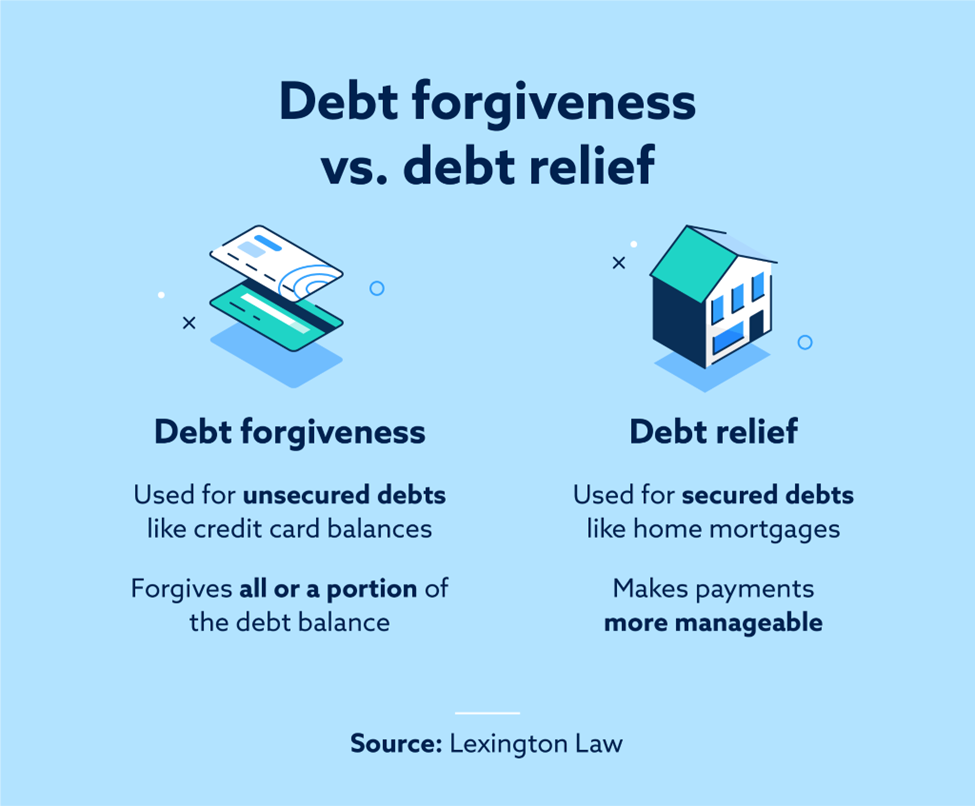
With a DMP, you make one monthly settlement to the credit rating therapy firm. Those funds are then distributed to lenders of your unsecured financial obligations, such as bank card and installment finances. The agency collaborates with your lenders to decrease rate of interest or waive costs, however some lenders may refuse such concessions.
A debt loan consolidation car loan combines your eligible financial obligations right into one new financing. It can assist you pay for financial obligation if you're able to safeguard a car loan rate that's reduced than the typical rate of the accounts you're consolidating. Nevertheless, you must refrain from racking up financial obligation on those newly removed accounts or your financial debt might grow even higher.
These cards usually supply a 0% interest introductory duration of approximately 21 months. That offers you lots of time to eliminate or considerably minimize your equilibrium while making interest-free settlements. For some individuals facing overwhelming financial obligation, insolvency may be the only means to quit collection process and legitimately resolve their financial obligations.
The Best Strategy To Use For What to Budget for Certified Debt Relief Help
You might require it if your lender or a collection agency ever before tries to accumulate on the financial debt in the future. The letter could confirm you don't owe what the debt collector's documents show. Yes, in the majority of instances, the internal revenue service takes into consideration forgiven financial obligation as gross income. When a lender forgives $600 or even more, they are called for to send you Form 1099-C.
Financial obligation forgiveness or negotiation generally injures your credit. Anytime you work out a financial obligation for much less than you owe, it might appear as "worked out" on your credit record and influence your credit scores score for 7 years from the day of settlement. Your credit scores can additionally drop substantially in the months resulting in the forgiveness if you drop behind on repayments.
The Only Guide for Regional Resources for The Emotional Aftermath of Debt: Integrating Mental Health into Financial Counseling
This scenario typically results from underreporting earnings, not submitting returns on time, or inconsistencies located during an Internal revenue service audit. The consequences of gathering tax financial obligation are severe and can include tax obligation liens, which provide the Internal revenue service a lawful claim to your property as safety and security for the financial obligation.
Greater interest prices on offered credit score. Wages and Bank Accounts internal revenue service can impose (take) wages and bank accounts to satisfy the debt. Reduced earnings and interruption of vital economic procedures. Home Seizure In extreme situations, the IRS can take and market home to cover the financial debt. Loss of beneficial assets and possible displacement.
Anxiety, anxiety, and other psychological health concerns. Social Preconception Facing lawsuit from the IRS can bring social preconception. Damages to credibility and partnerships. Work Opportunities A bad credit rating as a result of exhaust debt can restrict job opportunity. Trouble finding or keeping a work. Federal government Advantages Tax debt may impact eligibility for government benefits, such as Social Safety And Security and Medicaid.
The 2-Minute Rule for Financial Trends That Affect How More Families Need for Debt Forgiveness
The OIC thinks about a number of elements, consisting of the taxpayer's income, costs, possession equity, and capacity to pay. Effectively bargaining an OIC can be complicated, needing a detailed understanding of the internal revenue service's standards and a solid argument for why your deal aligns with your ability to pay. It is very important to note that not all applications are accepted, and the procedure calls for thorough monetary disclosure.
The IRS assesses your total economic situation, including your revenue, costs, asset equity, and capacity to pay. You must additionally be existing with all declaring and payment needs and not be in an open bankruptcy case. The IRS additionally considers your compliance background, assessing whether you have a document of prompt declaring and paying taxes in previous years.
How Much to Expect for Certified Debt Relief Help Can Be Fun For Anyone
The application process for an Offer in Compromise includes several detailed steps. Initially, you need to complete and send IRS Kind 656, the Deal in Concession application, and Kind 433-A (OIC), a collection information statement for individuals. These forms require thorough monetary info, including details about your revenue, financial debts, expenditures, and possessions.
Back tax obligations, which are unpaid tax obligations from previous years, can considerably increase your total IRS financial obligation otherwise attended to immediately. This debt can accumulate rate of interest and late settlement fines, making the original amount owed much bigger gradually. Failing to pay back taxes can lead to the internal revenue service taking enforcement actions, such as releasing a tax obligation lien or levy against your property.
It is crucial to deal with back tax obligations as quickly as possible, either by paying the total owed or by setting up a layaway plan with the IRS. By taking positive steps, you can avoid the buildup of added passion and penalties, and prevent a lot more hostile collection actions by the internal revenue service.
One typical reason is the belief that the taxpayer can pay the sum total either as a lump amount or via a repayment strategy. The IRS also takes into consideration the taxpayer's income, expenses, possession equity, and future earning potential. If these variables indicate that the taxpayer can manage to pay more than the offered amount, the internal revenue service is likely to decline the deal.
Facts About Measures to Take to Rebuild Your Finances Revealed
It is essential to give exact and full details in your application and to seek advice from with a tax specialist to improve the possibilities of acceptance. Taking care of internal revenue service financial debt can be intricate and overwhelming. Tax professionals, such as Certified public accountants, tax lawyers, or enrolled agents, can provide indispensable assistance. They have the competence to browse the complexities of tax regulation and internal revenue service procedures.

Table of Contents
Latest Posts

The Single Strategy To Use For Unexpected Fees to Look For

Fascination About Developing Post-Bankruptcy Budget That Lasts

The Facts About ROI of Professional Debt Counseling Revealed
More
Latest Posts
The Single Strategy To Use For Unexpected Fees to Look For
Fascination About Developing Post-Bankruptcy Budget That Lasts
The Facts About ROI of Professional Debt Counseling Revealed